
Okay, so check this out—I’ve been carrying a tiny piece of tech in my wallet for two years now. Wow! It changed how I think about security. My first impression was skepticism; physical keys felt like a throwback. But then the convenience smacked me right in the face, and I started paying attention.
Here’s the thing. Card-based NFC wallets like Tangem combine physical simplicity with modern crypto security. Seriously? Yes. You tap a card to your phone, approve a tx, and it’s done. No cables. No fiddly seed phrases on a sticky note. No tiny devices to lose in the couch cushions. That sounds trivial, but in daily life it matters—a lot.
At first I thought this would be just a gimmick. Initially I thought hardware wallets had to look like little calculators to be secure. Actually, wait—let me rephrase that: I thought anything slick would be less secure, though that’s not really true. On one hand, manufacturing and tamper-evidence are different than the old mechanical locks we used to imagine. On the other hand, some designs do cut corners. My instinct said, “Trust, but verify.”
In practice, a properly designed NFC card stores private keys in a secure element. The key never leaves the card. Transactions are signed on-card. Then the signed tx is broadcast from your phone. That’s the simple model. It’s elegant. It’s also very practical for non-technical users and for people on the move. I keep one in my wallet next to my grocery card—tiny footprint, big impact.
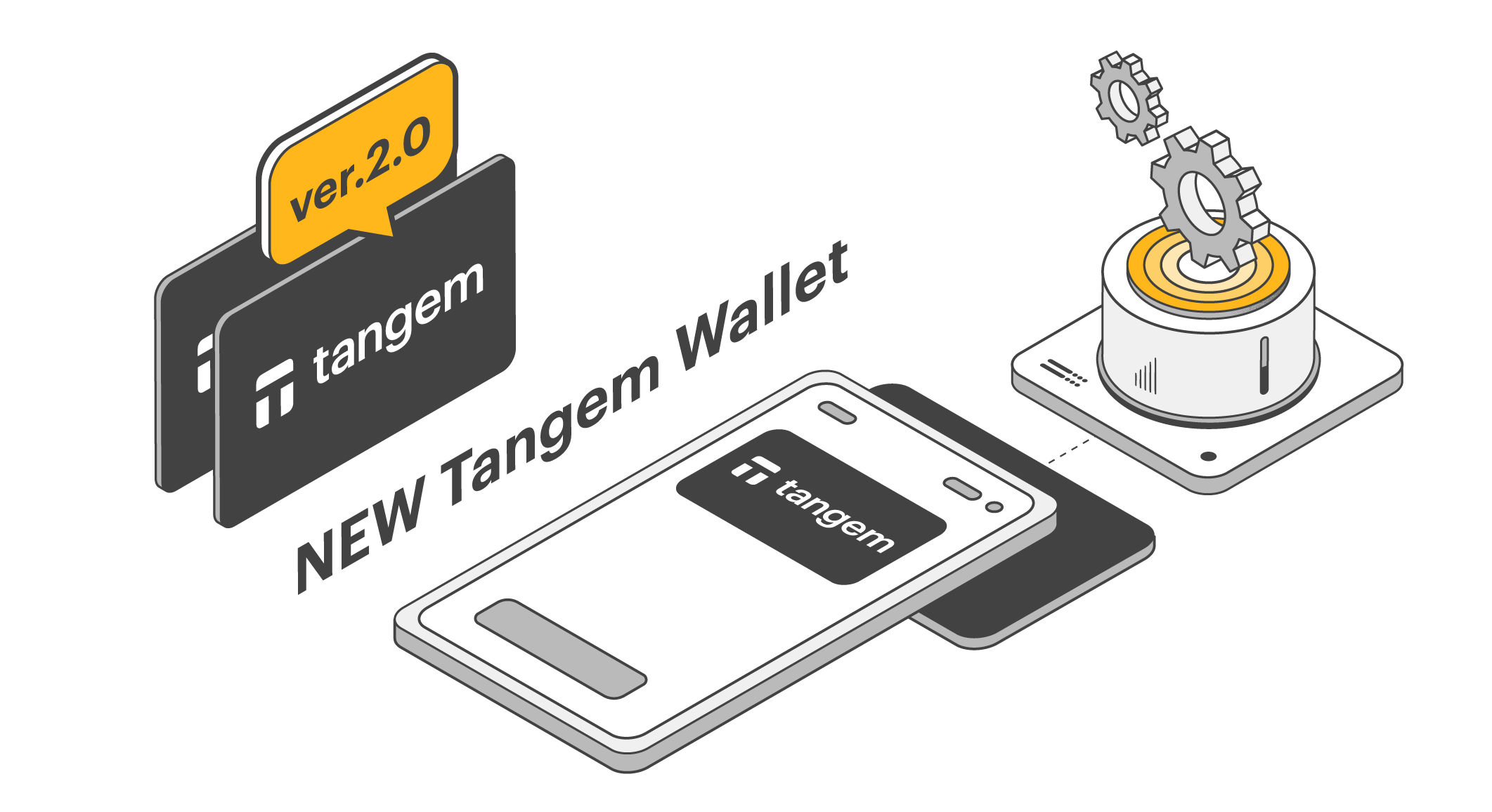
How the Tangem Experience Feels
I’m biased, but tangem cards really nail the UX. Hmm… the card itself feels solid in hand. Tap to pair. Tap to sign. No passwords to remember if you set it up that way. The Tangem app guides you through wallet creation with minimal jargon. That matters when you’re trying to help a friend set up crypto for the first time.
I once helped my dad set his up. He’d been nervous about seed phrases—who isn’t, right? We tapped the card, followed the prompts, and he was sending small test amounts in ten minutes. He was grinning. Me too. Though actually, me grinning might be because I avoided a 90-minute explanation about mnemonic phrases. (Oh, and by the way… this saved us both a headache.)
Security-wise, the Tangem approach emphasizes one idea: the private key never leaves secure hardware. That means even if your phone is compromised, the attacker can’t extract the key by software alone. On the flip side, if you lose the card, recovery depends on how you set things up. Some people use multiple backup cards. Others pair their card with a custodial option for ultra-risk scenarios. There’s no one-size-fits-all answer.
Something felt off the first time I read about single-card systems—was it a single point of failure? Yes and no. If you only have one card and you lose it, you’re toast. But Tangem and others provide workflows for making trusted backups, and, crucially, the cards are built to be tamper-evident. Still, backup planning is very very important.
Everyday Use Cases That Matter
For commuters, the card is a dream. Tap your phone on the subway, approve a tip, done. For travelers, it’s more secure than storing keys on a laptop you might check as baggage or use on an unfamiliar network. For shoppers, it’s less hassle than a software wallet that wants you to copy and paste long hex strings into a clipboard while standing in a store aisle. Small frictions add up; remove them and people actually use crypto.
Developers and power users will notice some limitations—advanced multisig setups and smart-contract interactions sometimes need extra steps. On one hand, card wallets are perfect for straightforward custody. On the other, they may require companion software or specific integrations for complex flows. Personally, I keep a couple of tools in rotation: a card for daily spending and a more configurable device for managing larger holdings and multisig setups.
My advice? Treat the card like cash. Use it for everyday transactions and smaller amounts. Keep your larger stakes in a layered security plan. That might sound conservative. I’m not 100% sure of everything either—there are tradeoffs—but this blend has served me well.
Practical Setup Tips
First, read the card’s manual. Seriously. Then do a test transfer. Wow! I can’t stress that enough. Most folks skip the test and panic later. Also consider these practical steps:
- Buy cards only from authorized channels. Counterfeits exist.
- Make at least one backup card and store it in a separate location.
- Keep firmware updated via the official app.
- Don’t store the recovery info on cloud services unless it’s encrypted and you accept the risk.
When you want to try one out, check tangem and their ecosystem. The app is intentionally simple, and that’s a feature. You can find official guidance and supported integrations at tangem. Use it as a starting point, not as gospel. (Ah—little caveat: some advanced features are region-limited.)
One more practical note: NFC sensitivity varies by phone model. Older Android phones usually work great. Some iPhones need to be unlocked or use specific OS versions to interact smoothly. If you travel often, test the card with the phones you expect to use. It’s annoying to find out mid-trip that your device doesn’t play nice. Ugh.
FAQ — quick answers
Is a Tangem card as secure as a Ledger or Trezor?
They use different security models. Tangem focuses on a secure element in a thin card; Ledger/Trezor use secure chips in a dedicated device with screens. For many users, Tangem is comparably secure for private-key protection, but your threat model matters. If you’re facing nation-state level adversaries, combine strategies.
What happens if I lose my card?
If you lose a single card without backup, recovery is usually impossible. Plan for redundancy: backup cards, multisig, or other recovery schemes. It’s boring, but plan it—really.
Can someone clone my card via NFC?
No. The private key is contained within secure hardware and is not readable via NFC. Tamper-resistance and secure production processes make cloning extremely difficult. That said, physical theft is still a risk if someone gains access to your unlocked devices or your card plus device unlocking method.
So where does that leave us? I’m excited and a bit cautious. There’s a neat emotional arc here—I started doubtful, then intrigued, and now cautious-optimistic. That’s true for most tech that reduces friction while maintaining safety. The Tangem-style NFC card isn’t magic. It’s a thoughtful trade-off. For everyday users who want a tangible, low-friction crypto key, it’s one of the best options out there.
I’ll close with this: buy from trusted sources, test a tiny amount first, and think about backups. I’m not saying it’s the only path—just a very practical one. Somethin’ to consider next time you pick up a new wallet.
